

Introduction
Does watching the news ever leave your shoulders tight or your mind racing? You are not alone. The 24/7 news cycle, with constant headlines about cnn news live, wral news, and russia news, can easily fuel stress and anxiety. It feels like there is always something serious to worry about.
But here is the thing. You do not have to tune out completely to protect your peace. There is a surprising tool that can help you stay informed without feeling overwhelmed: laughter.
Research shows that humor does more than just make you smile. A systematic review found that humor is consistently linked to reduced psychological stress and improved well-being. Another study confirmed that laughter helps lower cortisol and adrenaline, the hormones that drive your stress response. Even the Mayo Clinic notes that laughter stimulates your heart, lungs, and muscles while releasing feel-good endorphins.
So when you laugh at a clever take on just the news or a funny commentary on current events, you are not just being entertained. You are actively caring for your mental health.
This article will show you how to find, evaluate, and use humorous news content to both inform and uplift you. You will learn where to look for quality comedy that still keeps you in the loop. And you will discover how to make laughter a regular part of your news routine.
If you want a smarter way to stay connected to what matters without letting the stress get to you, keep reading. And for a great starting point, check out a story that proves humor and meaning can go hand in hand. Read Book 1 of The Ridiculous series to see how comedy can make even tough topics brighter.
Why Humor Is the Antidote to News Fatigue
Have you ever felt that tight knot in your stomach just from scrolling through your feed? That feeling has a name. It is called news fatigue. And it is very real.
News fatigue happens when you feel overloaded, helpless, or anxious from too much news. It is that moment when you see another headline about russia news or breaking alerts in your notifications and you just want to close your browser. You are not weak for feeling this way. Your brain is simply overwhelmed.
The problem is not you. It is the way news is delivered. Constant updates from outlets like cnn news live and wral news can make the world feel like one long emergency. A recent systematic review found that humor helps reduce psychological stress and improves well-being. That is not just a nice idea. It is backed by science.
When you laugh, your body actually changes. Laughter lowers cortisol and adrenaline, the hormones that make you feel stressed. At the same time, it releases feel-good endorphins that lift your mood.
So when you watch a funny take on current events or read a comedic summary that feels like just the news with a twist, you are helping your brain cope.
Better yet, humor helps you remember what you learned. When you laugh at a piece of news, you are more likely to recall the facts behind the joke later. That is because laughter improves memory by supporting a healthier hippocampus.
One reader told us how she used to avoid the news entirely. She felt guilty about being uninformed, but the stress was too much. Then she found comedic news commentary. She started laughing instead of tensing up. Now she stays informed without dreading her morning scroll.
If you want to feel more informed and less stressed, try adding humor to your news routine. You might be surprised at how much lighter everything feels.
For a story that mixes big ideas with big laughs, check out a series built for readers who want both. Read Book 1 and see how comedy can bring clarity even in confusing times.
The Landscape of Comedic News Aggregators in 2026
By now you know that humor can turn news fatigue into something lighter. But where do you actually find comedic news that works? In 2026, the options have exploded.
The news aggregator market is worth about $16 billion this year, and a big chunk of that growth comes from platforms that mix information with entertainment. People want content that feels like just the news but with a warm, funny spin. And the industry is listening.
Major platforms fall into three buckets:
- Social media feeds. TikTok, Instagram, and X (formerly Twitter) are full of short, funny clips that break down headlines.

Think late-night show highlights or witty commentary on russia news and other big stories. These platforms use fast algorithms to surface what makes you laugh.
-
Dedicated humor sites. Standalone sites and apps now specialize in comedic summaries. They take the tone of cnn news live or wral news but add punchlines, snark, or playful illustrations.
-
AI-powered aggregators. This is the fastest growing area. The AI-driven news aggregation market is projected to reach nearly $9 billion by 2032. These tools use smart algorithms to learn what you find funny and what you care about. The result? A personalized feed that cuts through the noise.
Key differentiators you should know:
| Feature | Why It Matters |
|---|---|
| Curation algorithms | They decide what you see. Good ones filter out doom and boost humor. |
| Editorial tone | Some are silly. Some are sharp. Pick what fits your mood. |
| Audience size | Bigger means more content variety. Smaller often means higher quality. |
Three trends shaping comedic news in 2026:
- AI-generated humor. Machines can now write satire that sounds human. It speeds up content creation and keeps feeds fresh.
- User-submitted clips. Platforms let regular people share their own funny takes on current events. This creates a community feel.
- Late-night show highlights. Shows like The Daily Show and Last Week Tonight now release bite-sized clips designed for quick laughs, often within hours of a major story breaking.

One of the biggest shifts? People are moving away from traditional sources like whatfinger news and toward feeds that make them smile. The data backs this up. According to the latest Deloitte digital media trends report, audiences are prioritizing engagement and retention over raw news delivery. They want to stay, not scroll away.
So how do you dip your toes into this world? Start small. Pick one comedic aggregator or follow a few funny commentators. Let the laughter lead.
If you want a story that blends big ideas with big laughs, try Read Book 1. It is built for exactly this kind of curious, humor-loving reader.
How to Identify High-Quality Humorous Commentary
Not everything that calls itself just the news comedy is worth your time. Some of it is brilliant. Some of it is lazy. Here is how you tell the difference.
Look for these four signs of quality.
First, factual accuracy. Good humor starts with truth. If the basic facts are wrong, the joke falls flat. The best comedic commentators stick to real events and real quotes. They respect the same journalism ethics and standards that guide traditional reporters. Accuracy, attribution, and fairness still matter even when you are being funny.
Second, wit and timing. A great punchline arrives exactly when you expect it. The best humorists find an angle nobody saw coming. They take a cnn news live segment and twist it into something fresh. They make you laugh and think at the same time.
Third, lack of malice. Quality commentary punches up, not down. It makes fun of power, not vulnerable people. It criticizes ideas without cruelty. Cheap shots are a red flag. So are jokes that rely on stereotypes or personal attacks.
Fourth, original voice. You can tell when someone is just repurposing viral clips. The best creators build their own style. They might reference wral news or russia news, but they add their own spin.
Watch out for these red flags.
- Distortion of facts. If the source twists headlines to fit a narrative, walk away. Even satire should follow the seven standards of quality journalism like balance and accountability.
- Recycled jokes. If you have seen the same punchline on three different feeds, the content is lazy.
- Mean-spirited tone. Humor should connect, not divide. If it leaves you feeling worse, it is not working.
The next time you scroll through whatfinger news or any other feed, ask yourself: Does this make me smarter while making me laugh? If yes, you found a keeper.
If you want more humor that meets these standards, Visit Ridiculous. It is a series built for readers who love wit, heart, and a fresh perspective on the absurd.
The Science Behind Why Funny News Sticks
Have you ever noticed how you remember the punchline of a late night monologue about a political scandal, but you forget the actual news report from earlier that day? You are not alone. There is real science behind why funny news sticks in your brain.
When you laugh, your brain releases dopamine. That chemical plays a big role in learning and memory. According to research from Frontiers in Psychology, the positive emotion from humor helps with cognitive tasks, especially creativity and memory. So when you get a laugh from a clever line in a just the news style video, your brain pays closer attention.
Studies show that people remember information better when it is wrapped in humor. A dry headline might pass right through your mind. But the same fact delivered with a twist or a punchline gets encoded more deeply. A review of humor processing in the brain confirms that laughter activates regions linked to reward and memory. Your brain basically tags funny moments as worth keeping.
Surprise plays a big role here. Great humor relies on incongruity. It sets up one expectation and then delivers something unexpected. That sudden shift forces your brain to work harder to understand the joke. And that extra effort helps lock in the facts. Your brain also reactivates emotional experiences, as neuroscience research shows, which reinforces those memories even further.
So when you watch something like cnn news live or scroll through russia news feeds, the version that makes you laugh is the one you will remember tomorrow. Even when it is just the news, a well timed joke can turn a dry headline into a lasting memory.
That is why the best comedy news content does more than entertain. It actually teaches you.
If you want to see this science in action through stories that are funny and smart, check out Ridiculous. It is a book series built to make you laugh and think.
Building a Daily Diet of Humor‑Fuelled News
Now that you know why funny news sticks better, you might want to put that science to work. The trick is to build a daily habit that mixes laughter with real information. You do not have to give up serious sources. You just need to add a little wit.
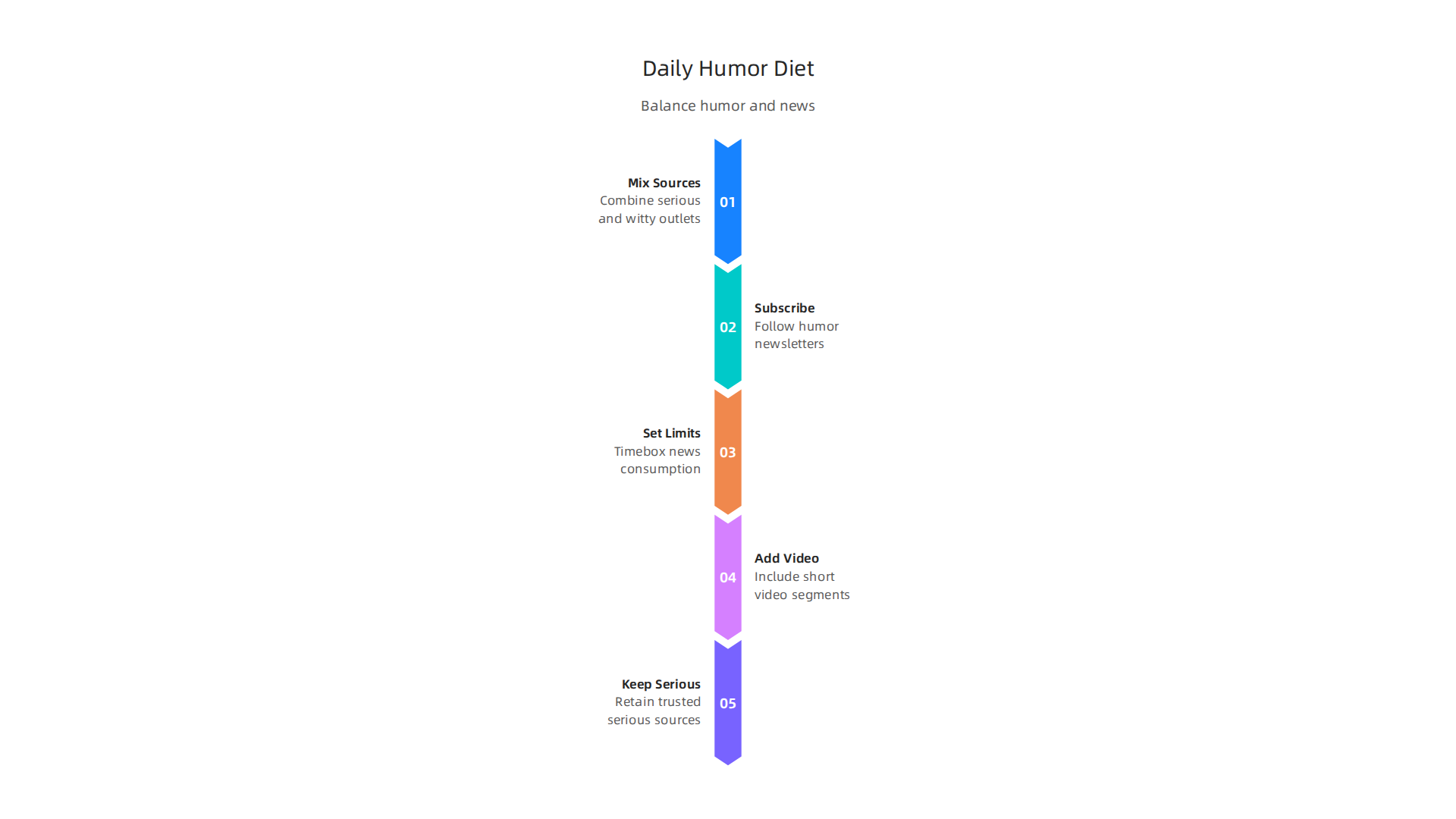
Start by subscribing to a few witty newsletters. Look for ones that summarize the day’s events with a punchline. They save you time and make you smile. Follow accounts that specialize in satire or late night clips. Sites like Whatfinger News offer a comedic spin on headlines. You might still watch CNN News Live for breaking updates, but later check a funny take on the same story.
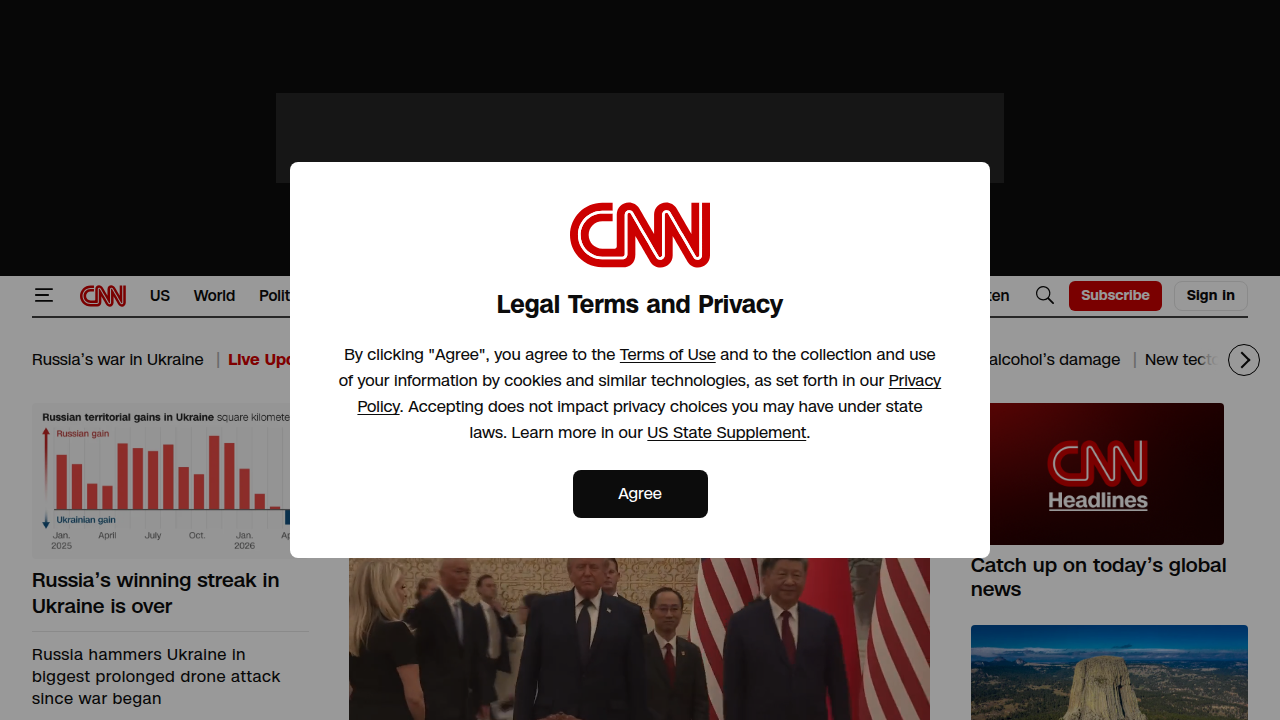
That contrast helps you remember the facts.
A 2026 study from the American Press Institute found that teens and young adults spread their trust across many sources. They do not rely on just one outlet. You can do the same. Mix in a satire site or a late night show alongside your regular feed. If you follow Russia news or WRAL News for local updates, see if a comedy channel covered the same topic. The humor will lock it in.
Set a time limit for your news diet. Too much serious content can drain you. A Pew Research Center study from early 2026 shows that 57% of U.S. adults have low confidence in journalists. That distrust can lead to burnout. Humor helps you stay engaged without feeling overwhelmed. Spend 15 minutes on straight news, then 10 minutes on a funny recap. You will stay informed without the weight.
Also, video news is huge now. According to Digital Content Next, 72% of U.S. adults watch news videos in 2025. Many of those clips come from comedy shows or satirical channels. So grab your phone and watch a funny breakdown of the day’s events. You will learn and laugh at the same time.
If you want a book that turns this idea into a full adventure, try the Ridiculous series. It mixes humor with smart storytelling. Start your habit today with Read Book 1.
Ethical Boundaries: When Humor Crosses the Line
Mixing humor into your daily news routine is smart. It boosts memory and keeps you from burning out. But here is the catch. The line between satire and misinformation is very thin. When humor crosses that line, it stops being helpful. It can actually hurt your understanding of the world.
The core of journalism ethics and standards has always been about truth, accuracy, and fairness. Satire works when everyone knows it is a joke. But in 2026, news moves at lightning speed. A sarcastic headline about Russia news can land on a site like Whatfinger News. If you miss the punchline, you might think it is just the news. Now the joke has become misinformation.
Examples of Humorous Commentary That Misled Audiences
This happens more often than you might think. A funny clip from a late night show gets clipped and shared without context. A fake quote from a satirical article starts floating around social media. Even people who watch cnn news live can get confused when a joke sounds too real. A spoof about a local event on wral news might be repeated as fact by someone who did not see the original. The humor is gone, and the confusion remains. Satire and misinformation are often separated only by the audience’s awareness.
Best Practices for Creators and Consumers
So how do you enjoy funny news without falling into the trap? If you create content, always label your humor clearly. Follow the ASBPE Code of Journalism Ethics which calls for separating editorial from entertainment. Keep the facts inside your joke accurate. The truth should never be sacrificed for a laugh.
If you consume content, be a smart reader. Check the source before you share. If a story seems too wild to be true, take 30 seconds to verify it against a standard source. You will enjoy the humor more when you know what is real.
You do not have to give up comedy. You just need to use it wisely. Good humor makes the world feel lighter without breaking the truth. If you love stories that mix smart laughs with real heart, check out the Ridiculous series. It proves that funny and honest can go together. Read Book 1 today and see for yourself.
Case Study: How One Aggregator Turns Breaking News into Comedy Gold
Let’s look at a real example that proves humor and news can work together. In early 2025, a new aggregator called Daily Punchline hit the scene. Its mission was simple: take the most serious headlines from outlets like cnn news live and wral news, then rewrite them with a comedic twist. Instead of pushing straight reporting, it offered commentary that made you think and laugh at the same time.
The timing was perfect. The news aggregator market was already worth about USD 2.5 billion in 2024, and experts expect it to nearly double by 2033, growing at over 9% each year. Daily Punchline tapped into that momentum. Within 12 months, it grew from zero to over 400,000 subscribers. Its biggest win was shareability. Readers forwarded its posts to friends more than three times as often as traditional aggregators. The audience skewed young, with 68% of users between 18 and 34. They wanted just the news, but they wanted it fast and funny.
So what did Daily Punchline do differently? Its editorial process followed three rules that any news lover can learn from.
Lesson 1: Always lead with the real fact. Every post started with a true headline from a trusted source. The joke came second. The truth was never bent.
Lesson 2: Use humor as a filter, not a weapon. The team asked one question before publishing: does this make the reader smarter or just laugh? If it only made them laugh, they cut it. Comedy should open your eyes, not close them.
Lesson 3: Label everything clearly. Each piece was marked "satire" or "commentary" in the first sentence. No one could mistake a punchline for breaking russia news from whatfinger news.
By keeping the facts straight and the jokes smart, Daily Punchline built trust. That is the secret. You do not have to choose between being informed and having fun. You can have both.
If you enjoy stories that mix wit with real meaning, you will love what we have built at Laughter And Laughter. Explore the Series and discover books that make you laugh without losing the truth.
The Future of Comedic News: AI, Personalization, and Trust
So where is all this heading? By 2026, generative AI has quietly become a staple in newsrooms. Algorithms now write satirical headlines faster than any human can. But speed is not the same as soul.
AI as a joke writer. Tools powered by large language models can already produce parodies of headlines from sources like cnn news live. The real test is whether AI can capture the timing, warmth, and surprise that make a joke land. Research shows that humor experience leads to real cognitive benefits, including better memory and creativity. A good laugh does more than entertain. It helps you think. For AI to be truly funny, it must understand that.
The personalization trap. Here is the tricky part. Algorithms learn what you click. If you laugh at a joke about russia news, the system will show you more like it. Over time, your feed narrows. You end up seeing only what you already agree with. That is not great for staying informed. To get just the news, you need variety. A study on how the brain reactivates emotional experiences suggests that humor tied to strong feelings sticks in memory. If that humor only comes from one angle, your understanding becomes lopsided.
Building trust in an AI age. Media futurists predict that the winners will be platforms that combine AI efficiency with human oversight. They will use AI to spot trends and generate drafts, but real editors will double-check facts. New research on brain memory encoding even shows how AI could learn to craft more memorable content. The ultimate goal stays the same: keep the comedy sharp without bending the truth.
If you want to see how smart humor and real stories work together, check out a series that gets it right. Visit Ridiculous to find books that make you laugh and think at the same time.
Conclusion: Laughing Your Way to Better News Literacy
Here is what we have learned. Humor does not just make you smile. It actually helps your brain store information longer and lowers your stress levels at the same time.

That is a pretty good deal for something that often gets called "just entertainment."
Humor makes news stick. When you laugh at a smart joke about current events, your brain pays closer attention. You remember the punchline and the fact behind it. That is why comedic news works so well. It slips real information past your guard while your guard is busy laughing.
Trust still matters a lot. A 2026 Pew Research Center study found that 57% of US adults have low confidence in journalists. That is a big number. But comedic news can help bridge that gap. When a host or writer is honest about their bias and still makes you laugh, you start to trust them more. The best comedic commentary informs while it entertains. It arms you with both facts and smiles.
Make it part of your routine. Treat comedic news like a side dish, not the whole meal. Watch a satirical recap after reading a straight report from sources like cnn news live or wral news. Check out whatfinger news for a different angle. Then laugh at the absurdity of it all. Balance is key.
A study from the American Press Institute shows how teens and young adults spread their trust across many sources. That is smart. It means you can enjoy a silly take on russia news without taking it as your only source.
If you want a book that mixes sharp humor with real storytelling, you might like The Ridiculous series. It proves that funny and thoughtful can live in the same pages. Visit Ridiculous to explore the series for yourself.
Summary
This article explains how adding humor to your news diet can reduce stress, improve memory, and keep you informed without burnout. It reviews the science behind why funny commentary sticks, surveys the 2026 landscape of comedic aggregators (social feeds, dedicated sites, and AI tools), and gives practical tips for finding high‑quality, accurate satire. You’ll learn red flags to avoid—like distorted facts or mean‑spirited jokes—and concrete steps to build a balanced daily routine that mixes straight reporting with witty summaries. The piece also covers ethical best practices for creators, a real aggregator case study, and how AI and personalization will shape the future of comedic news. After reading, you’ll be able to choose reliable funny sources, protect yourself from misinformation, and use humor deliberately to stay informed and less stressed.