

Introduction: Why Buying a Router Should Be Fun, Not a Root Canal
Let’s be honest. Shopping for an amazon router can feel like getting your teeth pulled. You type in "router" and suddenly you are staring at hundreds of options with weird specs like dual-band, MU MIMO, and Wi Fi 6.

Your eyes glaze over. Your brain shuts down. You just want your Netflix to stop buffering.
Actually, it does not have to be that way. Here at Laughter And Laughter, we believe that tech shopping should come with a side of humor. After all, your router sits in your home and brings you all the funny cat videos, comedy specials, and memes you love. Why should buying it feel like a chore?
The truth is, most people overthink this process. They worry about picking the wrong mesh wifi router or spending too much on a spectrum wifi router that does not even work better. But here is the secret: with a few simple tricks, you can find the best mesh wifi system for your home without losing your sanity.
We are going to walk through this together. No tech jargon overload. No confusing charts that make you feel dumb. Just practical tips and a few laughs along the way.

Because if you can name your network something hilarious like "Just One Byte" or "Wi Fight the Inevitable," you deserve a shopping experience that makes you smile too. Check out 130 funny wifi names for some inspiration before you even start.
By the time you finish reading, you will know exactly what to look for. And you might even chuckle a little. That is the whole point.
1. Router Basics: The ‘Don’t Panic’ Subsection
Think of a router as the traffic cop for your internet. It takes the signal from your modem and directs it to every device in your home: your phone, laptop, smart TV, and even that smart fridge you barely use. Without a router, you get one device connected at a time. With a good one, the whole house runs smoothly.
Here is the most important spec you actually need to understand: the wireless standard. Right now, the two big ones are Wi-Fi 5 and Wi-Fi 6.
If your router is more than three years old, it is probably Wi-Fi 5. Wi-Fi 6 is faster, handles more devices at once, and works better in crowded homes. In 2026, Wi-Fi 6 is the sweet spot for most people. You do not need Wi-Fi 6E or Wi-Fi 7 unless you are a hardcore gamer or a streaming fanatic. As Optimum explains, Wi-Fi 6 can deliver solid real-world speeds without the extra cost.
The good news? You do not have to memorize a dozen acronyms. Just look for a router that says "Wi-Fi 6" on the box. That one spec will cover 90% of what you need. And if you have ever faced a dead zone or a spotty connection, you already know why it matters. Funny wifi disasters remind us that even the best setups can go wrong, but starting with the right standard gives you a fighting chance.
So take a breath. You already know enough. Now let us move on to the fun part: actually picking your amazon router without the headache.
2. Speed: Why You Care More Than Your Router Does
Ever feel like your internet is on a treadmill that can’t keep up with your dog? That’s the speed problem in a nutshell.

The number you see on the box, like 1,200 Mbps, sounds impressive. But here’s the truth: you probably don’t need nearly that much.
Mbps just means “megabits per second.” Think of it as the number of lanes on a highway. For one person streaming Netflix in HD, you need about 25 Mbps. For a family of four with Zoom calls, gaming, and 4K streaming all at once, 100 to 200 Mbps is plenty. Above that, the extra speed mostly collects dust.
Real-world tests back this up. Tom’s Hardware found that even high-end Wi-Fi 6E routers rarely pushed past 1,000 Mbps in actual use. Most landed around 500 Mbps. So a flashy multi-gigabit router is like buying a Ferrari just to drive to the mailbox.
For 2026, a good Wi-Fi 6 router delivers robust performance without the premium of 6E or 7. Check out RTINGS’ picks for the best Wi-Fi 6 routers if you want a model that’s been tested thoroughly. And if buffering still gets you, learn how to fix wifi dead zones with these 10 tips.
So match your speed to your household, not the sales pitch. Save the cash. And then maybe put that money toward something that brings real joy, like a laugh. Why not start with a ridiculous sci-fi adventure that will have you smiling from page one? Laugh First Today has heart, wit, and chaos. No buffering required.
3. Gaming Mode? More Like ‘Latency: The Game’
You’ve been there. You’re mid-firefight in your favorite shooter. Your crosshair is dead center on the enemy. You pull the trigger. And then… nothing. A second later you’re dead. The kill cam shows you standing still while the other player ran past you. That’s not your internet speed’s fault. That’s latency, also called ping.
Speed is how much data moves at once. Latency is how fast that data travels. Think of speed like a wide highway and latency like the speed limit. You can have 1,000 Mbps, but if your ping is 200 milliseconds, you’ve already lost. In gaming, every extra millisecond matters. The best Wi‑Fi 6 routers we’ve seen from Tom’s Hardware rarely hit beyond 500 Mbps in real use, but good latency management is what keeps you alive.
So what helps? Look for a router with Quality of Service (QoS). It lets you prioritize gaming traffic over someone streaming cat videos.
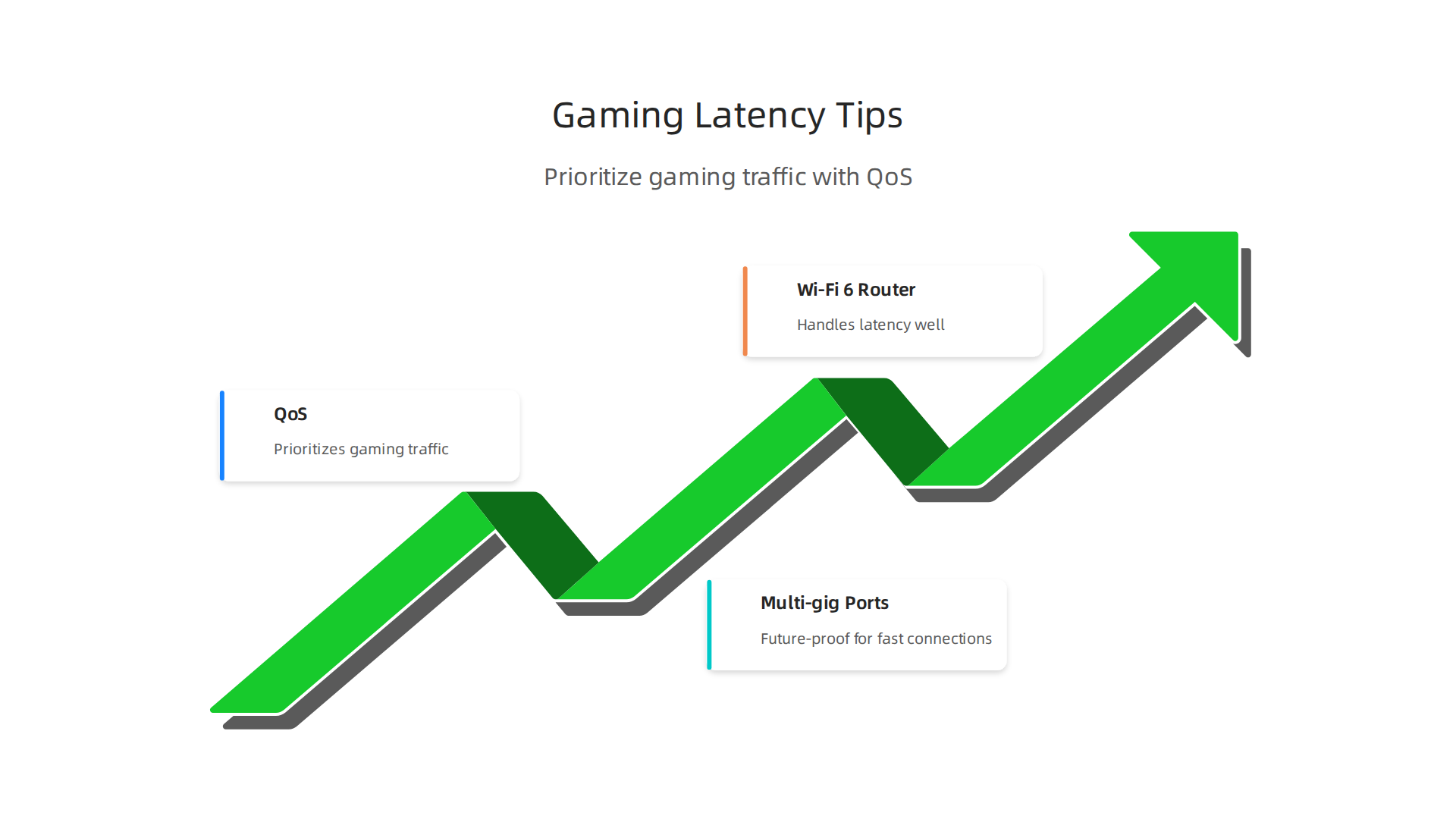
Some routers even have multi-gig ports for future‑proofing. But you don’t need a flashy gaming tower. A solid Wi‑Fi 6 router like the iNet Flint 2, which RTINGS calls the best Wi‑Fi 6 router of 2026, already handles latency well without the premium price of Wi‑Fi 6E or 7.
If you’re shopping for an amazon router, check for models with QoS and low ping. A mesh wifi router can also help if your gaming setup is far from the main room. And if you’ve ever had a lag spike ruin a perfect moment, you’ll appreciate this collection of funny wifi disasters that prove your router has a sense of humor.
Fix your latency, and maybe you’ll finally get that clutch win. After that, reward yourself with a good laugh. Want More Good Humor? A book series that mixes humor and heart makes the perfect break from lag.
4. Design: Because Your Router Shouldn’t Look Like a Prop from ‘Alien’
Let’s be honest: most routers are ugly. They sit in your living room with blinking lights and pointy antennas, looking like props straight out of the movie Alien.
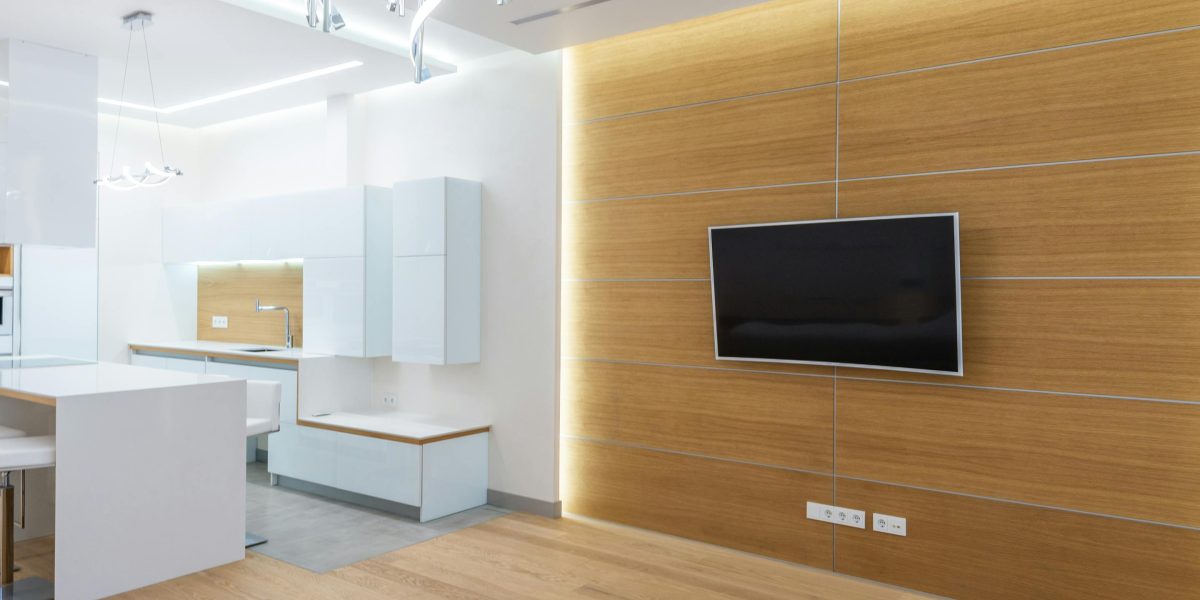
If you want your home to feel cozy instead of like a sci-fi set, router design actually matters.
The good news? You don’t have to live with a tech monster on your shelf. Many modern amazon router options come in white or matte black that is much easier on the eyes. A mesh wifi router system often has smaller, less scary nodes that you can hide on a bookshelf. If you use a spectrum wifi router, you can put it in a nice basket or behind a TV. You can even get a best buy wifi extender to move the ugly box to a closet or basement. Want to go completely wireless? Then get a portable wifi device and never worry about ugly hardware again.
Another trick? Give your network a funny name. A little humor can make up for a lot of bad design. Check out this list of 130 Funny Wifi Names from The Pioneer Woman for some great ideas.
Once your router is out of sight or has a good sense of humor, you can finally relax. And if you still want a good laugh, check out the Laugh First Today book. It’s a ridiculous sci-fi adventure with heart and wit. Much better than staring at a blinking router.
5. The Amazon Rabbit Hole: How to Avoid the Click-and-Regret Loop
You open Amazon to grab a cheap router. Two hours later you have 47 tabs open, your brain hurts, and you still don’t know which one to buy. The Amazon rabbit hole is real. But you can escape it without regretting your purchase.
The first trick is to filter by customer rating and then sort by most recent reviews. Many older five-star ratings are from people who reviewed the box before plugging it in. Recent reviews will tell you if the router actually works or if it dies after a month.
Next, set a filter for Wi-Fi 6. As Ezurio explains, Wi-Fi 6 delivers strong real-world performance without the higher cost of Wi-Fi 6E. You don’t need the latest standard unless you have very specific devices. RTINGS.com also confirms that a good Wi-Fi 6 router is still the sweet spot for most homes in 2026.
Now about antennas. Don’t assume more antennas mean better range. Many modern routers use internal antennas or beamforming tech that works just as well. A router with eight antennas isn’t automatically the best mesh wifi option.
If you want to laugh at some real router horror stories, check out these funny wifi disasters. They prove that even the best amazon router can cause chaos.
Once you avoid the click-and-regret loop and your wifi is running smooth, you deserve a real laugh. Want more good humor?
6. Price Tags: Why You Don’t Need a Ferrari When a Toyota Works
You might think a $300 router will make your internet fly. But here’s the thing: most people don’t need that kind of horsepower. A high-end amazon router can cost more than your monthly rent, yet it won’t make Netflix load any faster if your plan is only 100 Mbps.
Let’s break down the price tags so you don’t waste cash.
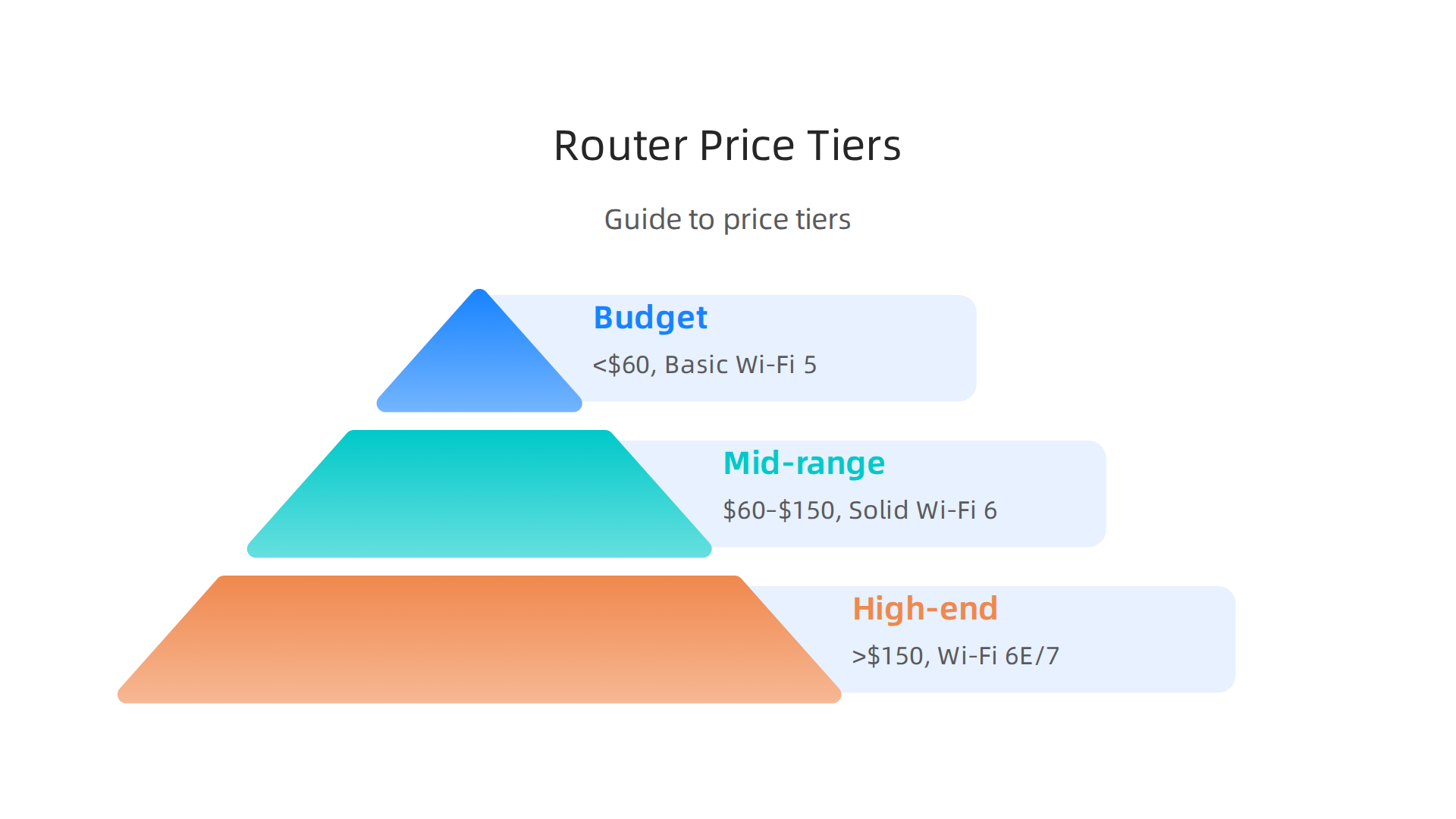
| Price Range | What You Get | Who It’s For |
|---|---|---|
| Budget (<$60) | Basic Wi‑Fi 5 or older Wi‑Fi 6 models. Fine for one or two devices. | Renters, single users, or guest rooms. |
| Mid-range ($60 – $150) | Solid Wi‑Fi 6 routers with good range and speed. Covers most homes. | Families, streamers, and remote workers. The sweet spot. |
| High-end (>$150) | Wi‑Fi 6E or Wi‑Fi 7 routers with extra bands and future‑proof tech. | Power users with many devices or gigabit+ internet. |
Here’s the humorous truth: “The $300 router promises to predict the future – it only predicts a smaller bank account.” In 2026, the best value lives in the mid‑range. Experts at Tom’s Hardware confirm that excellent Wi‑Fi 6 routers like the TP‑Link Archer AX21 (around $80) deliver rock‑solid performance for nearly everyone. You really don’t need a Wi‑Fi 7 beast unless you’re building a mesh wifi router system for a huge house with dozens of devices.
Stick with a mid‑range best mesh wifi setup or a single strong Wi‑Fi 6 router, and your wallet will thank you. If you’re still getting dead spots, check out these fixes for wifi dead zones before you spend extra.
Once your internet is humming and you’ve saved a bunch of money, you deserve a real laugh. Want more good humor?
7. Mesh Networks: Because One Router Can’t Reach Your Cat’s Favorite Spot
So you chose a smart mid-range router and saved some cash. You feel pretty good. But then you walk upstairs to grab laundry and boom. No signal. Or your cat is napping in the sunroom, and that corner of the house is a total dead zone. One router just isn’t enough.
Here is the fix: a mesh wifi router system.
Think of mesh like Wi-Fi relay stations. Instead of one box trying to blast signal through every wall and floor, you place two or three small nodes around your home. They talk to each other and create one big, seamless network. Your phone or laptop jumps from node to node without you even noticing. No dropping calls. No buffering on your favorite videos.
You actually need mesh if your home is over 1,500 square feet. Or if you have thick concrete walls. Or if you have more than fifteen devices fighting for bandwidth all at once. For a small apartment, a single strong router from the last section works perfectly well. But for whole-home coverage, mesh is the real answer.
Let’s talk about the popular systems in 2026. According to TechGearLab, the eero 6+ is the best overall mesh wifi router for most people because it delivers strong speed everywhere you go. If you want the absolute fastest speeds, comparisons show the eero Pro 6E beats the Google Nest Wifi Pro in top throughput. And both eero and TP-Link Deco offer excellent whole-home coverage, though TP-Link often gives you more budget-friendly best mesh wifi options.
You can find all of these on Amazon with real user ratings. Just search for an amazon router from eero or TP-Link to compare prices. And don’t confuse mesh with a best buy wifi extender. Extenders can help one room, but they slow things down. A spectrum wifi router from your ISP also won’t match the steady coverage of a mesh system.
If you still have stubborn dead spots, try these simple fixes for wifi dead zones first. Once your signal reaches every corner of the house, you can finally relax and enjoy some real laughs.
8. Security: ‘Don’t Let Your Neighbor Piggyback (Unless You Charge Them)’
Picture this. You are watching the funniest stand-up special of 2026. The comedian delivers the punchline. And your stream freezes. You check your network. Your neighbor is streaming 4K nature documentaries on your Wi-Fi. Ouch.
Here’s the thing. A weak Wi-Fi password is like leaving your front door wide open for a raccoon. It invites trouble. And in 2026, trouble comes in the form of hackers, malware, and unwanted guests.
So how do you lock the door? Start with WPA3. That is the latest security protocol.
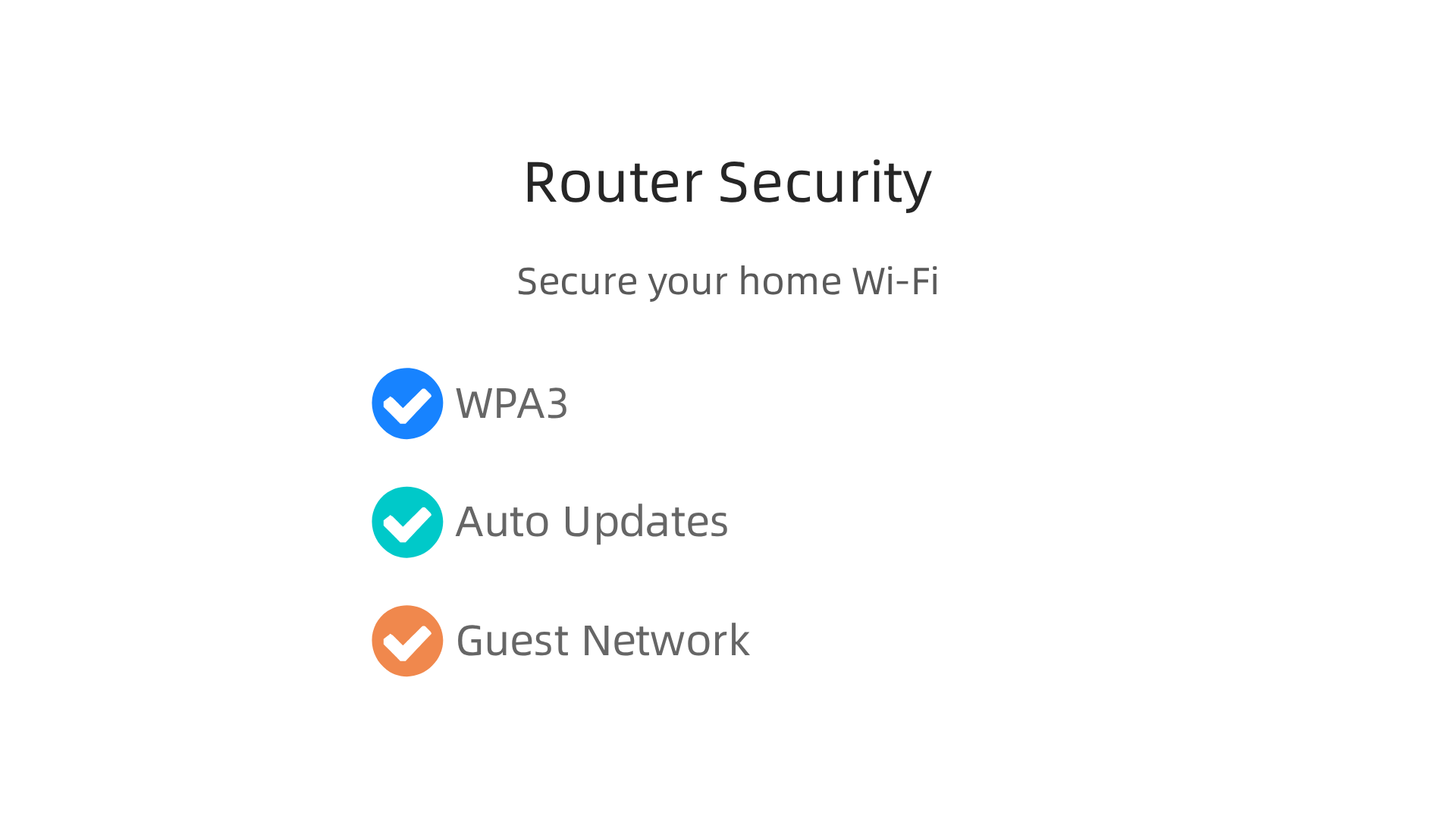
It makes it much harder for anyone to crack your password. As Malwarebytes explains, WPA3 strengthens encryption and blocks brute-force attacks. Simple.
Next, turn on automatic updates. Your router gets new firmware that fixes security holes. Let it update on its own. No thinking required.
Third, use a guest network. When friends come over, they connect to the guest Wi-Fi. Their devices stay separate from your main network. This protects your smart home gadgets.
You might wonder if spending more on security is worth it. The answer is yes. The market for smart home router security is growing fast, hitting USD 2.3 billion in 2026. That is because the average US home has over 21 connected devices. More devices equal more risk.
So when you shop for a router, look for WPA3 and automatic updates. You can find secure options on Amazon, like an amazon router from eero or TP-Link. Even the best mesh wifi system needs proper settings. Do not rely on a spectrum wifi router from your ISP. And a best buy wifi extender does not add security.
Spending a bit more now prevents a big headache later. For more laughs about Wi-Fi mishaps, check out these funny wifi disasters.
Once your network is locked down, you can relax. Grab this ridiculous sci-fi adventure for a hilarious escape.
9. Smart Home: Make Sure Your Router Is Smarter Than Your Toaster
Your smart toaster should not burn your toast because your router dropped the signal. That is the reality for many homes in 2026.

The average US household now has over 21 connected devices. Think about it. Your phone, lights, fridge, thermostat, doorbell, and yes, that toaster. They all fight for Wi-Fi attention.
Most routers from your internet provider cannot handle this load. They were not built for a smart home. As Consumer Affairs notes, the number of connected gadgets keeps rising. Your router needs to keep up.
So what do you look for? First, search for routers with WPA3 support. Synaptics explains that Wi-Fi 7 makes WPA3 mandatory, which means stronger security for all your smart junk. Second, find a router that offers a separate SSID just for smart devices. This keeps your phone and laptop on a fast lane while your toaster chugs along on a slow lane.
Even a budget amazon router can work if you pick one with these features. You do not need the fanciest mesh wifi router. But a best mesh wifi system from eero or TP-Link helps when your house is full of gadgets. Do not settle for a basic spectrum wifi router from your ISP. And a best buy wifi extender will not fix a weak main router.
For more tips on managing your smart home chaos, check out this guide on Wi-Fi 7 mesh router upgrades.
Here is the bottom line. Your router should be the smartest device in your home. Not the toaster.
Want More Good Humor? If you need a break from tech frustrations, this ridiculous sci-fi adventure is waiting for you. It is full of laughs and zero Wi-Fi issues.
10. The Lighter Side: A Checklist (With Jokes) to Finalize Your Pick
By now your brain might feel a little fried from all the tech talk. Let’s fix that. Here is a short checklist to help you land on the right router, with a dose of humor to keep you sane.
Your final router checklist:
- Speed: Does it match your internet plan? A cheap amazon router might handle 100 Mbps fine, but if you pay for gigabit, don’t bottleneck yourself.
- Coverage: Can it reach the bathroom? If not, consider a mesh wifi router like eero or TP-Link. Many experts rank the best mesh wifi systems for whole-home coverage. A best buy wifi extender can patch dead zones, but a mesh is cleaner.
- Security: Look for WPA3 support (Wi-Fi 7 routers include it automatically). Don’t rely on your spectrum wifi router for security — it’s usually outdated.
- Humor factor: Yes, this matters. Give your network a goofy name. The Pioneer Woman has a list of 130 funny Wi‑Fi names like “Just One Byte” or “Wi‑Fight the …”. Every time you connect, you’ll smile.
- Price + sanity: Don’t spend more than you need. If you still can’t decide, flip a coin. Both options are probably better than your current one.
Funny final advice: Your router’s job is to keep your smart toaster from burning the toast. If it can do that, it’s a win. And if you run into weird glitches, you’re not alone — people have shared hilarious amazon router stories in our funny Wi‑Fi disaster tales.
Now go enjoy the process. Pick a router, give it a ridiculous name, and laugh about it. Life is too short for boring Wi‑Fi.
Laugh First Today — a funny sci‑fi adventure where the Wi‑Fi never drops, but the jokes always land.
Summary
This guide turns the headache of buying a router into a simple, even fun, process by cutting through jargon and focusing on what actually matters. It explains core concepts like Wi‑Fi 6, real‑world speed versus advertised Mbps, and why latency (not just bandwidth) matters for gaming. You’ll learn when a single Wi‑Fi 6 router is enough and when a mesh system is worth the cost, plus concrete tips for placement, design, and avoiding bad Amazon purchases. The article also ranks price ranges, outlines basic security steps (WPA3, automatic updates, guest networks), and offers a short checklist to finalize your pick. Read it and you’ll be able to choose a router that fits your home size, devices, and budget—without the stress or the sales pitch.